

Glazing is a highly skilled trade, but it also comes with significant risks. From handling sharp glass edges to working at heights and managing heavy installations, glaziers face a variety of hazards daily. For professionals working in busy environments like London, maintaining strong health and safety practices is essential—not only to protect themselves but also to ensure the safety of clients and the public.
One of the most important aspects of safety in glazing is the use of personal protective equipment (PPE). Glaziers regularly wear cut-resistant gloves to protect their hands from sharp edges, along with safety glasses or goggles to prevent injuries from glass shards. Steel-toe boots provide protection against falling materials, while helmets are often required on construction sites.
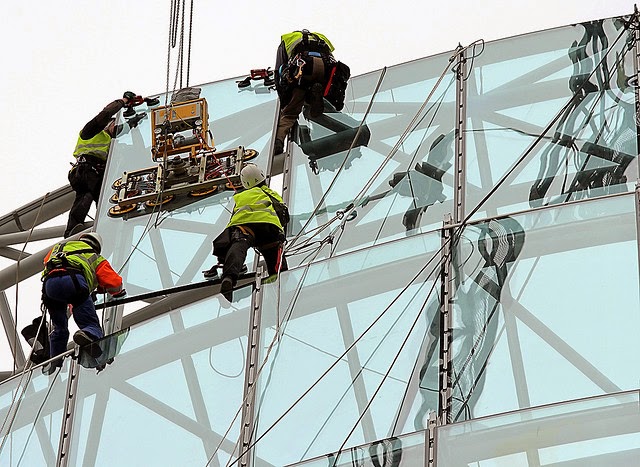
Proper handling techniques are also critical. Glass should always be carried vertically to reduce stress and minimise the risk of breakage. For larger or heavier panels, glaziers use suction lifters or team lifting methods to avoid strain and accidents. Attempting to lift heavy glass alone can lead to serious injuries, including muscle strains and back problems.
Working at height is another common risk, especially when installing windows or glass panels on upper floors. Glaziers must use secure ladders, scaffolding, or harness systems to prevent falls. Ensuring that all equipment is stable and properly set up before starting work is a basic but crucial step.
Another key safety practice is maintaining a clean and organised workspace. Broken glass, tools, and debris left on-site can easily cause accidents. Professional glaziers regularly clear waste materials and store tools safely to reduce trip hazards and injuries.
The correct use of tools and equipment is equally important. Tools should be inspected regularly to ensure they are in good condition. Damaged or worn-out equipment can fail during use, increasing the risk of accidents. Glaziers are trained to use each tool properly and avoid shortcuts that could compromise safety.
Exposure to chemicals, such as sealants and adhesives, is another consideration. Many of these substances contain chemicals that can be harmful if inhaled or come into contact with skin. Using proper ventilation and wearing protective gear helps minimise these risks.
Training and awareness play a major role in maintaining safety standards. Glaziers must stay informed about current health and safety regulations and best practices. Regular training ensures that workers are prepared to handle potential hazards and respond effectively in case of emergencies.
In addition, risk assessments are often carried out before starting a job. This involves identifying potential hazards, evaluating risks, and implementing measures to control them. Planning ahead allows glaziers to work more confidently and safely.
Finally, communication on-site is essential. Whether working in a team or alongside other trades, clear communication helps prevent misunderstandings and accidents. Everyone involved in the project should be aware of ongoing tasks and potential risks.
In conclusion, health and safety are fundamental in the glazing industry. By using proper protective equipment, following safe handling techniques, and maintaining awareness of risks, glaziers can significantly reduce the chances of injury. In a demanding environment like London, prioritising safety not only protects workers but also ensures high-quality, professional results on every project.
 Add a new comment