

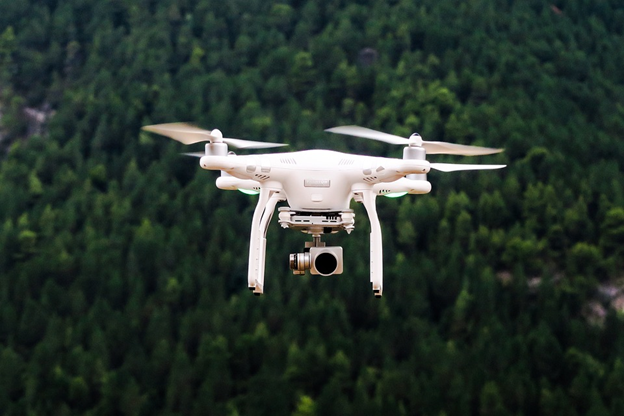
Technology is rapidly transforming the construction and trade industries, and drones are becoming one of the most talked-about innovations. What once seemed like futuristic technology is now being used by roofing companies, surveyors, and property inspectors across the UK.
For roofers in London, drones offer a safer, faster, and more efficient way to inspect roofs, identify damage, and provide customers with accurate assessments. As drone technology becomes more affordable and accessible, many experts believe it will become a standard tool for roofing and property inspections.
Safer Roof Inspections
One of the biggest advantages of drones is improved safety.
Traditionally, inspecting a roof often requires climbing ladders, using scaffolding, or walking across potentially unstable surfaces. Drones allow roofers to inspect many areas from the ground, reducing the need to work at height during the initial assessment.
Benefits include:
- Reduced risk of falls and injuries
- Fewer access-related hazards
- Safer inspections after storms or severe weather
- Better assessment of difficult-to-reach areas
Safety remains one of the strongest reasons for adopting drone technology.
High-Quality Images and Video
Modern drones can capture detailed photographs and high-definition video.
This allows roofers to:
- Identify cracked or missing tiles
- Inspect chimneys, flashing, and gutters
- Detect visible storm damage
- Record the roof's condition before and after repairs
Visual reports also help customers understand the issues affecting their property.
Faster Surveys and Quotes
Drone inspections can significantly reduce the time needed to assess a property.
Instead of spending time setting up ladders or scaffolding for an initial inspection, roofers can quickly survey a roof and gather the information needed to prepare an accurate quotation.
This helps businesses:
- Respond to enquiries more quickly
- Increase daily productivity
- Improve customer satisfaction
Better Planning for Repairs and Maintenance
Accurate aerial images allow roofers to plan projects more effectively.
Drone footage can help teams:
- Estimate materials more accurately
- Identify potential access issues
- Prepare equipment before arriving on-site
- Reduce unexpected delays during the project
Better planning often leads to smoother and more cost-effective roofing work.
Ideal for Storm Damage Assessments
Following strong winds or heavy rain, inspecting damaged roofs can be dangerous.
Drones make it easier to:
- Assess storm damage safely
- Identify urgent repairs
- Provide evidence for insurance claims
- Prioritise emergency work
This is particularly valuable in London, where changing weather can lead to sudden roofing emergencies.
Understanding the Rules
Roofers who use drones must ensure they operate them responsibly and in line with UK regulations.
Before using a drone commercially, operators should understand the relevant aviation rules, respect privacy, and ensure flights are carried out safely.
Staying informed about current regulations helps businesses use drone technology professionally and responsibly.
Combining Drones with Digital Platforms
Technology works best when tools are combined.
After completing a drone inspection, roofers can use platforms like Tradze Rapid Response to manage enquiries, receive nearby job requests, communicate with customers, and organise bookings more efficiently.
Together, drone technology and digital job management can help roofing businesses deliver faster and more professional services.
Conclusion:
Drones are becoming an increasingly valuable tool in the roofing and property inspection industry. They improve safety, speed up inspections, provide detailed visual information, and help roofers plan work more effectively.
While traditional skills and hands-on experience remain essential, businesses that embrace new technology are likely to gain a competitive advantage. As drone technology continues to evolve, it is expected to become a common feature of roofing and property inspections across London and the UK.
 Add a new comment