

A Roof Emergency Can Happen Without Warning
Your roof is one of the first lines of protection between your property and the weather. Most of the time, it quietly does its job without attracting much attention. However, when something goes wrong, the consequences can become noticeable very quickly.
A severe storm can loosen roof tiles, heavy rain can expose an existing weakness, or deteriorating flashing can suddenly allow water into the building. In some cases, a problem that has been developing for months may only become obvious when the weather changes.
A small patch of dampness on a ceiling can quickly become an active leak. A single missing tile can expose the roof structure beneath it. A damaged section of roofing can allow rainwater to enter the loft and spread into other parts of the property.
When a roofing problem starts affecting the safety, security or weather protection of a property, waiting for a routine roofing appointment may not be the best option. This is where emergency roofing services can provide an important solution.
Why Emergency Roofing Services Matter in London
London properties are exposed to changing weather throughout the year. Heavy rain, strong winds, storms and periods of severe weather can place additional pressure on roofing systems, particularly where a roof is already showing signs of age or deterioration.
When damage occurs, property owners often need more than general roofing advice. They need someone who can assess the situation and determine what needs to be done to protect the building.
Emergency roofing services are designed for situations where a roofing problem requires urgent professional attention. The immediate objective may be to identify the source of a leak, secure a damaged area or carry out an appropriate temporary repair until more extensive work can be completed.
For homeowners, landlords and businesses, having a reliable way to find an emergency roofer can make a stressful situation considerably easier to manage.
The First Sign of a Roof Emergency Is Often Water
One of the most common signs that something has gone wrong with a roof is water appearing inside the property.
You may notice a damp patch on the ceiling, water dripping into a room, moisture around a window or water entering the loft. Sometimes the leak only appears during heavy rain, which can make it difficult to identify the exact source.
It is important to remember that the location where water becomes visible inside the property may not be directly underneath the damaged part of the roof. Water can travel through roofing materials, insulation and building structures before eventually becoming visible.
This is one reason professional assessment is valuable. An experienced roofer can investigate the likely source rather than simply treating the visible symptom.
Why You Should Not Ignore a Leaking Roof
A roof leak may initially seem manageable. You might place a container underneath the drip and assume that the problem can wait until the weather improves.
However, continued water ingress can affect more than the roof itself. Moisture can potentially damage ceilings, walls, insulation, flooring, furniture and personal belongings. If water reaches electrical equipment or fittings, additional safety concerns may arise.
The longer a serious leak continues, the greater the opportunity for further damage.
This does not mean every small roof leak will automatically result in major structural damage. It does mean that property owners should take persistent or significant water ingress seriously and arrange appropriate professional assistance rather than allowing the problem to continue unchecked.
Storm Damage Can Turn a Normal Roof Into an Emergency
Storms are one of the most common reasons property owners suddenly need emergency roofing assistance.
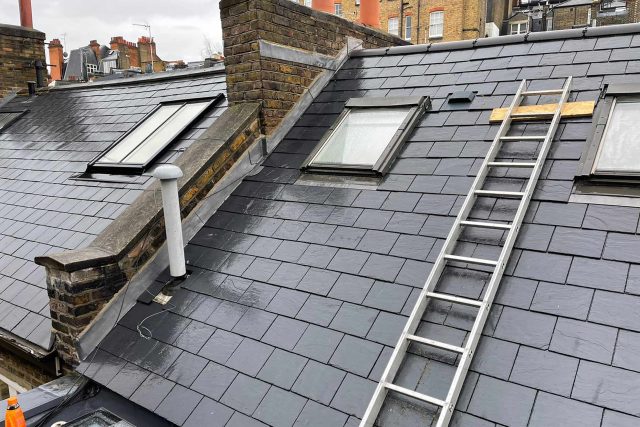
Strong winds can loosen or displace roof tiles and slates. Heavy rain can enter through damaged sections. Gutters and roofline components can become detached. Flashing around chimneys and other roof junctions can also be affected.
The visible damage may only represent part of the problem.
A roof may look relatively normal from the ground while several tiles have shifted or a section of weatherproofing has been compromised. The problem may only become obvious when the next period of heavy rain arrives.
After significant storm damage, a professional roof inspection can help establish whether urgent repairs are required.
What to Do When Water Starts Coming Through the Ceiling
When water starts entering a property through the ceiling, the priority should be safety.
Move furniture and valuable belongings away from the affected area where possible. Place suitable containers beneath active drips if doing so is safe. Avoid touching electrical equipment that may have been exposed to water, particularly electrical outlets, light fittings and appliances.
Do not attempt to climb onto the roof yourself, especially during rain, strong winds or other dangerous conditions. A wet roof can be extremely hazardous, and damaged roofing materials may not be stable.
If the leak is significant or continues to worsen, contact an appropriate emergency roofing professional so the situation can be assessed safely.
Missing Roof Tiles Should Not Be Treated as a Cosmetic Problem
A missing tile might not look particularly serious from the ground, but the tile forms part of the roof's weather protection.
When a tile is missing, the area underneath may be exposed to rain and wind. If bad weather continues, water may find its way into parts of the roof structure that are normally protected.
This is particularly concerning when several tiles have been displaced following strong winds.
Rather than assuming that the problem is purely cosmetic, property owners should have significant roof damage assessed by a professional. A roofer can determine whether other tiles or surrounding roofing components have also been affected.
Roof Leaks Can Happen Even When It Is Not Raining
Although heavy rain often reveals roof problems, water entering a property does not always mean that the roof has suddenly developed a new defect.
A leak may be caused by deteriorated flashing, damaged roof coverings, blocked drainage, ageing materials or another issue that has gradually developed.
In some cases, the problem may have existed for some time but only become visible after enough moisture accumulated.
This is why simply drying the visible area inside the property may not solve the problem. The source of the water needs to be identified.
Emergency Roofing Around Chimneys
Chimneys can be particularly vulnerable areas of a roof because several materials and surfaces meet in one location.
Flashing is used to help protect the junction between the chimney and roof from water ingress. If flashing becomes damaged, deteriorated or displaced, rainwater can enter the building.
A leak around a chimney may not always appear directly beneath the chimney. Water can travel through the building before becoming visible inside.
If you notice dampness or water ingress around the upper areas of your property, particularly after rainfall, professional assessment can help determine whether the chimney, flashing or another part of the roof may be responsible.
Emergency Gutter and Roofline Problems
Roofing emergencies are not always limited to tiles and roof coverings.
Gutters and roofline components play an important role in directing rainwater away from the building. If a gutter becomes detached, heavily blocked or damaged, water may overflow against the property.
During heavy rainfall, a damaged gutter can contribute to water entering areas where it should not.
Some gutter problems can be addressed as routine maintenance, while others may become urgent when there is a risk of falling components, significant water ingress or damage to the building.
A professional can assess whether the problem requires a roofer, gutter specialist or another appropriate trade.
Emergency Roofing for Landlords and Property Managers
Roofing emergencies can create particular challenges for landlords because the person experiencing the problem may be a tenant rather than the property owner.
A tenant may discover water entering their bedroom late at night or notice significant damage after a storm. The landlord then needs to respond, arrange access and find an appropriate professional.
Delays can increase inconvenience for the tenant and potentially allow further damage to occur.
For landlords and property managers, having access to local emergency roofing professionals can therefore be extremely valuable. A platform such as Tradze can provide another way to connect property owners and managers with nearby tradespeople when urgent roofing assistance is required.
Emergency Roofing for Commercial Properties
A roofing emergency can be particularly disruptive for a business.
A leaking roof in an office may affect employees and equipment. Water entering a shop could damage stock. A restaurant or hospitality business may have to restrict access to part of its premises. A warehouse may face problems if water reaches stored goods.
Businesses often cannot simply wait several days for a standard roofing appointment.
When a roofing issue threatens normal operations, emergency roofing services can help businesses obtain professional assistance and determine what needs to happen next.
The faster a serious issue is assessed, the sooner the business can make informed decisions about repairs and continued operations.
Why DIY Emergency Roof Repairs Can Be Dangerous
A roof can look simple from the ground, but working at height presents significant risks.
Wet surfaces can be slippery. Damaged tiles can move unexpectedly. Strong winds can make ladders and roofing materials dangerous. Hidden damage may also make a roof less stable than it appears.
Trying to carry out an emergency repair without suitable equipment and experience can result in injury or cause additional damage to the property.
There is also the question of whether the repair has actually solved the underlying problem.
For these reasons, serious roofing emergencies are generally better assessed by a professional roofer who understands the risks involved and has the appropriate equipment for the work.
Temporary Emergency Repairs and Permanent Solutions
Not every emergency roof repair is the same as a complete roofing project.
When a property has suffered sudden damage, the immediate priority may be to make the situation safer and reduce further exposure to the weather.
A roofer may determine that temporary measures are appropriate before more extensive work can be completed.
For example, storm damage affecting a larger section of a roof may require an immediate response followed by a more detailed repair.
Property owners should therefore ask the roofer whether the work being carried out is intended as a temporary emergency measure or a permanent repair.
Understanding the difference can help avoid confusion about what has been completed and what may still be required.
Why Recurring Roof Leaks Need Proper Investigation
A particularly frustrating roofing problem is a leak that keeps coming back.
The ceiling is repaired, but the next time it rains, water appears again.
The same area is painted, but dampness returns.
This often means that the visible damage has been treated without addressing the underlying source of the water.
Recurring leaks should be investigated properly. The cause could involve damaged roof coverings, flashing, roof junctions, gutters or another part of the building.
Repeatedly repairing the internal stain without addressing the source is unlikely to provide a long-term solution.
Emergency Roofing and Older London Properties
London has a large number of older residential and commercial buildings, many of which have roofs that have experienced years of exposure to changing weather conditions.
Age does not automatically mean a roof is defective, but older roofing systems can have different maintenance requirements from newer installations.
Previous repairs, replacement materials and modifications can also affect how a roof performs.
A period of severe weather can expose weaknesses that have developed gradually.
For owners of older properties, routine inspection and maintenance can therefore play an important role in reducing the likelihood of unexpected roofing emergencies.
How to Choose an Emergency Roofer
Finding a roofer quickly is important during an emergency, but choosing the right professional is equally important.
A reputable roofer should be able to explain what they have found, what immediate work is necessary and whether additional repairs may be required.
Customers should be wary of anyone who immediately recommends extensive work without properly assessing the condition of the roof.
Clear communication is especially important during emergencies because property owners may already be under pressure.
Ask questions about the problem, the proposed repair and whether the work is temporary or permanent. Understanding the situation can help you make a more informed decision.
How Technology Is Changing Emergency Roofing in London
Finding a roofer used to mean searching through directories, asking for recommendations and calling multiple businesses to find someone available.
That approach can be particularly frustrating when water is already entering a property.
Technology is changing the way customers find tradespeople.
Location-based platforms can help connect customers with professionals based on the type of service required and where the customer is located.
For emergency roofing, this can be especially useful because customers often need to find professional assistance without spending a long time searching.
At the same time, roofers can benefit from platforms that help them discover relevant local jobs rather than relying entirely on traditional advertising and word-of-mouth recommendations.
How Tradze Rapid Response Helps Connect Customers With Roofers
Tradze Rapid Response is designed around connecting customers with tradespeople for urgent and on-demand services.
For someone experiencing a roofing emergency, the platform provides a modern way to find local trade assistance based on their requirements and location.
This is particularly relevant when a customer is dealing with a leaking roof, storm damage or another problem that cannot reasonably wait for a routine appointment.
Tradze also provides opportunities for roofers to find relevant work nearby. Instead of relying exclusively on traditional methods of finding customers, tradespeople can use the platform as another route to local jobs.
The goal is simple: make it easier for customers who need urgent trade assistance to connect with professionals who provide those services.
Why Local Availability Matters During a Roofing Emergency
London's size can make travel a major consideration for emergency trades.
A roofer travelling from the other side of the city may have to deal with traffic, congestion and significant travel time before reaching the property.
A professional already operating nearby may be better positioned to respond, depending on their availability and workload.
This is one of the reasons location-based trade platforms can be particularly useful for emergency services.
The objective is not simply to find any roofer.
It is to make it easier to find an appropriate professional operating within a relevant area.
Preventing Roofing Emergencies Before They Happen
Not every roofing emergency can be prevented.
Severe weather can cause unexpected damage even to a well-maintained roof.
However, regular maintenance can help property owners identify problems before they become urgent.
Loose tiles, damaged flashing, deteriorating roof coverings and blocked gutters can sometimes be identified during routine inspections.
Addressing these issues while they are still manageable can be easier than dealing with a major leak during a period of heavy rain.
Prevention therefore has an important place alongside emergency roofing services.
What Homeowners Should Do After a Major Storm
After a significant storm, it can be useful to check the property from ground level for obvious signs of damage.
Look for missing or displaced tiles, damaged gutters and visible debris around the property.
However, homeowners should not climb onto the roof to investigate.
If you notice signs of damage or water entering the property, contact an appropriate roofing professional for assessment.
A professional inspection can help determine whether the roof has suffered damage that is not immediately visible from the ground.
The Future of Emergency Roofing Services
The roofing industry will continue to depend on skilled professionals who understand roofing materials, building conditions, weather exposure and safe working practices.
What is changing is the way customers find those professionals.
Digital platforms are making it easier for customers to search for services based on location and requirements. This is particularly important for emergency work, where the customer may not have time to contact numerous businesses individually.
For roofers, digital platforms can also provide another source of local work and help reduce the reliance on traditional advertising methods.
The physical work remains the same, but the connection between customer and tradesperson is becoming increasingly digital.
Why Acting Quickly Can Make a Difference
A serious roofing emergency should not be ignored.
A small leak can continue allowing water into a property. A damaged roof section can remain exposed to changing weather. Loose materials can potentially create additional hazards.
Acting quickly does not mean panicking or attempting an unsafe repair.
It means taking sensible steps to protect people and property while arranging appropriate professional assistance.
When the situation is serious, finding an emergency roofer can be the most practical way to understand the problem and determine what needs to be done.
 Add a new comment