

Gas keeps millions of UK homes warm and provides hot water and cooking facilities every day. Boilers, cookers, fires and other gas appliances can make everyday life more comfortable — but they must be installed, maintained and repaired correctly.
A gas problem isn't something to ignore.
A strange smell, unusual boiler behaviour, damaged pipework or an appliance that isn't operating correctly could indicate that professional attention is required.
Knowing the warning signs can help homeowners react quickly and, most importantly, put safety first.
Why Gas Safety Should Always Be Taken Seriously
Gas appliances are designed to operate safely when properly installed and maintained.
However, faults, poor installation, inadequate ventilation or damaged components can create serious risks.
Potential hazards associated with poorly maintained or faulty gas appliances include:
- Gas leaks
- Carbon monoxide exposure
- Fire
- Explosion
- Appliance failure
This is why gas-related work should never be treated as a normal DIY project.
If you suspect a gas safety issue, stop using the appliance where appropriate and seek advice from a suitably qualified professional.
1. You Notice a Gas Smell
One of the most important warning signs is the smell associated with gas.
If you suspect a gas leak:
Do not ignore it.
Avoid creating flames or sparks, and don't operate electrical switches if you suspect doing so could create a risk.
Move to a safe location and follow the appropriate UK gas emergency guidance.
If you're unsure whether the smell is gas, it is still better to treat the situation seriously and seek appropriate advice.
2. Your Boiler Flame Doesn't Look Right
The appearance of an appliance flame can sometimes provide a warning that something isn't operating correctly.
For appliances where the flame is visible, an unusual flame should be investigated rather than ignored.
If your appliance isn't behaving as expected, don't attempt to dismantle or repair it yourself.
A suitably qualified gas engineer should assess the appliance.
3. You Notice Unusual Condensation or Soot
Unexpected staining, soot or condensation around a gas appliance can be a reason to seek professional advice.
These signs don't automatically mean there is a dangerous fault, but they can indicate that an appliance requires inspection.
Pay particular attention to areas around:
- Boilers
- Gas fires
- Flues
- Other gas appliances
A professional engineer can determine whether the appliance is operating safely.
4. Your Boiler Starts Making Unusual Noises
Boilers can make normal operating sounds, but a sudden change in behaviour shouldn't automatically be dismissed.
You may notice:
- Banging
- Whistling
- Gurgling
- Rattling
- Unusual clicking
There can be many causes for unusual boiler noises, and not all of them are gas-related.
However, if the noise is new, persistent or accompanied by other problems, arranging a professional inspection can help identify the cause.
5. Your Heating Isn't Working Properly
A boiler that repeatedly loses pressure, switches off, fails to heat water or struggles to maintain temperature may need professional attention.
Possible issues can include faults with:
- Components
- Controls
- Pressure
- Pipework
- Heating circulation
Don't repeatedly reset an appliance without understanding why it is shutting down.
If the problem continues, contact an appropriately qualified heating or gas professional.
6. You Experience Symptoms That Could Indicate Carbon Monoxide Exposure
Carbon monoxide is particularly dangerous because it is colourless and odourless.
Possible symptoms of carbon monoxide poisoning can include:
- Headaches
- Dizziness
- Nausea
- Breathlessness
- Weakness
- Confusion
These symptoms can have many causes, so they should not automatically be attributed to a gas appliance.
However, if multiple people in the property experience similar symptoms, or symptoms improve when away from the property, carbon monoxide should be considered as a potential risk.
If you suspect carbon monoxide, leave the property and seek urgent medical and emergency assistance as appropriate.
A working carbon monoxide alarm is an important additional safety measure, but it should never replace proper appliance maintenance.
7. Poor Ventilation Around Gas Appliances
Gas appliances need appropriate ventilation and flue arrangements to operate safely.
Never block or cover vents that are required for an appliance.
Changes to a room — such as new furniture, alterations or building work — should not compromise ventilation requirements.
If you're unsure whether a gas appliance has adequate ventilation, ask a suitably qualified professional to assess it.
Why Gas Work Must Be Left to Qualified Professionals
Gas work is not an area where homeowners should experiment.
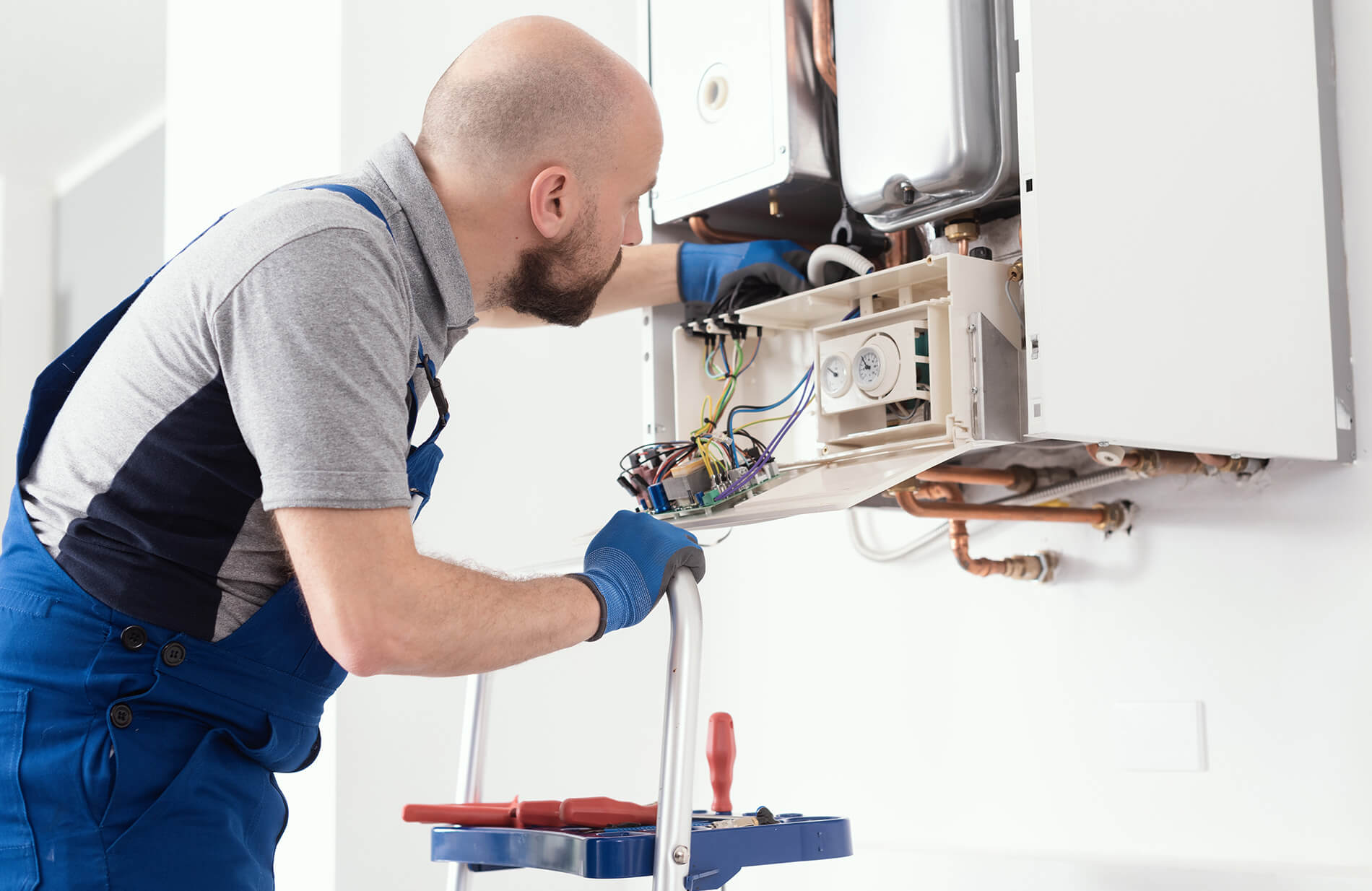
In Great Britain, anyone carrying out gas work as part of their business must be Gas Safe registered.
A Gas Safe registered engineer has the appropriate registration for the types of gas work they undertake.
When arranging gas work, customers should check that the engineer is appropriately qualified for the specific job.
This is especially important for:
- Boiler installation
- Boiler repairs
- Gas appliance installation
- Gas appliance servicing
- Gas pipework
- Gas fires
- Gas cookers
What Is a Gas Safe ID Card?
Gas Safe registered engineers carry an official identification card.
Customers can ask to see the engineer's card before gas work begins.
The card can help customers check:
- The engineer's registration details
- Relevant qualifications
- The types of gas work they are qualified to undertake
If you're hiring someone for gas work, don't be afraid to ask for their Gas Safe ID card and verify their credentials.
Gas Boiler Installation Isn't a DIY Job
Buying a new boiler is a major investment, but the installation is just as important as choosing the appliance.
A professional installation should take into account:
- The property's heating requirements
- Boiler suitability
- Flue arrangements
- Ventilation
- Existing pipework
- Safety requirements
- System configuration
Attempting to install or modify a gas boiler without the appropriate qualifications can put people and property at risk.
Always use an appropriately qualified professional for gas work.
Regular Gas Appliance Maintenance Matters
Waiting until a boiler breaks down isn't the only time to think about gas safety.
Regular professional servicing can help identify developing problems and ensure appliances are operating appropriately.
Maintenance can be particularly important before winter, when heating systems are used much more frequently.
A professional can inspect the appliance and identify issues that may not be obvious to the homeowner.
Why Gas Problems Become Especially Disruptive in Winter
Imagine discovering that your heating has stopped working on the coldest night of the year.
Winter places significantly greater demand on heating systems, and breakdowns can be particularly disruptive.
Before winter arrives, homeowners can consider:
- Having boilers professionally serviced where appropriate
- Checking heating controls
- Checking that carbon monoxide alarms are working
- Keeping boiler areas accessible
- Addressing unusual noises or performance problems early
Don't wait for a small warning sign to become a winter emergency.
What to Do When You Need a Gas Engineer
When a heating or gas problem occurs, finding the right professional quickly can be challenging.
Customers may need to consider:
- Availability
- Location
- Relevant qualifications
- Reviews
- Pricing
- Type of work required
This is where digital platforms can simplify the process.
Tradze Rapid Response helps customers connect with nearby tradespeople based on their location and service requirements.
For customers looking for gas-related assistance, the most important consideration remains making sure the professional is appropriately qualified and registered for the work required.
Why Local Gas Engineers Can Be Valuable
For non-emergency repairs and maintenance, choosing a local professional can provide convenience.
For urgent heating problems, location can become even more important.
A nearby engineer may be able to reach a property more efficiently, depending on availability and traffic conditions.
At the same time, local job matching can help gas engineers discover relevant opportunities in areas where they already operate.
Technology can therefore make the connection between customer demand and available professionals more efficient.
Gas Safety Tips Every UK Homeowner Should Remember
A few simple habits can make gas safety part of your normal home maintenance.
Use qualified professionals
Always use an appropriately qualified and registered engineer for gas work.
Don't ignore warning signs
Unusual smells, appliance behaviour or visible problems should be investigated.
Keep ventilation clear
Never block required vents or interfere with flues.
Install carbon monoxide alarms
Use appropriate alarms and follow the manufacturer's instructions for installation and testing.
Arrange professional servicing
Follow the manufacturer's recommendations and have appliances checked by a qualified professional.
Know what to do in an emergency
Make sure everyone in your household knows what to do if you suspect a gas leak or carbon monoxide exposure.
Gas Emergency or Boiler Breakdown?
It's important to understand the difference.
A boiler that isn't heating your home may require a heating engineer.
A suspected gas leak or carbon monoxide incident is a safety emergency and should be treated accordingly.
Don't assume every gas-related problem can be solved by booking a normal appointment.
If you suspect an immediate danger, prioritise getting people to safety and follow the appropriate emergency procedures.
The Future of Gas Services
Technology is changing how customers access professional services.
Mobile applications, digital bookings, location-based matching and real-time communication are making it easier to connect customers with tradespeople.
For gas engineers, digital platforms can provide additional opportunities to:
- Find nearby jobs
- Reduce downtime
- Manage schedules
- Respond to customer requests
- Build their professional reputation
For customers, the goal is simple: make finding suitable professional help easier.
This is where Tradze Rapid Response fits into the modern UK trades industry.
Conclusion
Gas is an essential part of everyday life for millions of UK households, but gas-related problems should always be taken seriously.
Whether you notice an unusual smell, a boiler behaving differently, poor appliance performance or another warning sign, don't attempt to diagnose or repair potentially dangerous gas problems yourself.
Use appropriately qualified professionals and make gas safety part of your regular property maintenance.
When you need a professional, finding the right person quickly can make the experience less stressful.
Tradze Rapid Response connects customers with nearby tradespeople, helping make the process of finding local professional services simpler.
Remember:
Gas safety isn't something to compromise on. If something doesn't look or feel right, act early and get qualified professional help.
 Add a new comment