

A rat moving through a loft at night. Small droppings underneath a kitchen cupboard. A strange smell coming from behind an appliance. Tiny holes appearing in food packaging.
These may seem like minor issues, but they can be early warning signs that unwanted pests have made themselves comfortable inside your property.
For homeowners, landlords and businesses across the UK, early detection is one of the most important parts of effective pest management.
The longer an infestation goes unnoticed, the more difficult it can become to identify where pests are hiding, how they are getting inside and how widespread the problem has become.
So, what should you look out for?
Here are 10 warning signs of a pest infestation that shouldn't be ignored.
1. Droppings Around Your Property
One of the clearest signs of pest activity is finding droppings.
Rodent droppings may appear around:
- Kitchen cupboards
- Behind appliances
- Food storage areas
- Under sinks
- Garages
- Loft spaces
- Along walls
The location and appearance of droppings can provide useful clues about the type of pest involved.
If you repeatedly discover fresh droppings after cleaning an area, it may indicate ongoing activity rather than a one-off visit.
Don't simply clean them up and forget about them.
Look for where the pests could be coming from.
2. Strange Sounds at Night
Have you started hearing scratching, gnawing or movement sounds when the house is quiet?
This could potentially indicate rodents moving through:
- Loft spaces
- Wall cavities
- Floor voids
- Cupboards
- Roof spaces
Rodents are often more active during the night, so unusual noises after dark can be an important warning sign.
If the sounds continue for several nights, it's worth investigating rather than assuming they will disappear.
3. Damaged Food Packaging
Discovering holes or bite marks in food packaging is another common indication of rodent activity.
Mice and rats can chew through certain packaging materials to reach food.
Check:
- Food cupboards
- Pet food
- Stored grains
- Cereal boxes
- Bags of dry food
Store food in properly sealed containers where possible.
If you continue finding damaged packaging, professional pest control advice may be appropriate.
4. Gnaw Marks and Property Damage
Rodents don't only damage food.
They can also gnaw on materials around a property.
You may notice:
- Chewed wood
- Damaged plastic
- Gnawed packaging
- Damaged insulation
- Marks around pipework
- Chewed cables
Damage to electrical cables can be particularly concerning because damaged wiring can create additional safety risks.
If you discover significant damage, don't assume the pest problem is limited to the area where the marks were found.
5. Unusual or Persistent Smells
Some infestations produce distinctive smells.
A persistent musty, unpleasant or unusual odour in one part of the property can sometimes indicate pest activity, particularly when combined with other warning signs.
Pay attention to smells coming from:
- Cupboards
- Loft spaces
- Wall cavities
- Under floorboards
- Behind appliances
An unexplained smell doesn't automatically mean you have pests, but when combined with droppings, noises or damage, it deserves further investigation.
6. Seeing Live Pests During the Day
Seeing one insect doesn't always mean there is an infestation.
However, repeatedly seeing pests — particularly in areas where they would normally remain hidden — should not be ignored.
For certain pests, seeing them during daylight hours may indicate that activity is significant enough for them to become more visible.
This can apply to pests such as cockroaches and rodents.
If sightings become more frequent, professional identification can help determine what you're dealing with.
7. Eggs, Nests or Shed Pest Material
Some pests leave behind physical evidence of where they are living.
Depending on the species, you might find:
- Nesting material
- Egg cases
- Shed skins
- Cocoons
- Feathers
- Fur
- Other debris
Check areas that are rarely disturbed, such as lofts, cupboards, storage areas and behind furniture.
If you discover a nest or suspected infestation, avoid disturbing it unnecessarily.
A professional can assess the situation and recommend the appropriate next step.
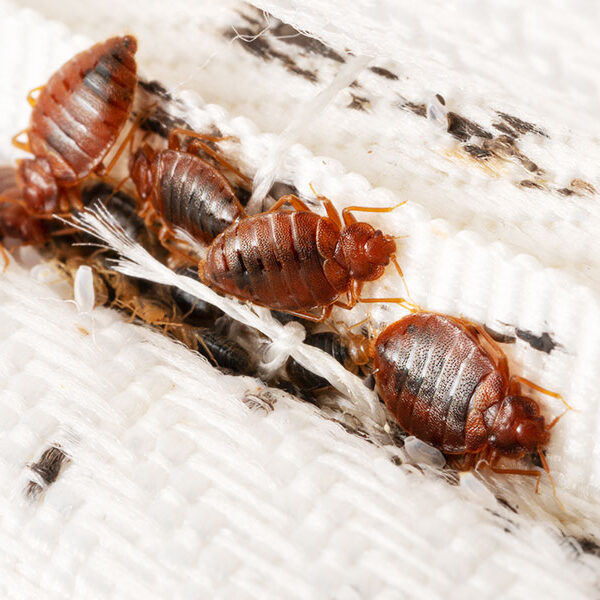
8. Unexplained Marks on Bedding
Bed bugs can be particularly difficult to identify because they are small and can hide in mattresses, bed frames and furniture.
Possible signs include:
- Small dark marks
- Blood spots on bedding
- Shed skins
- Insects around mattress seams
- Unexplained bites
It's important to remember that bites alone cannot confirm a bed bug infestation because many different conditions can cause similar skin reactions.
If you suspect bed bugs, professional inspection can help determine whether they are actually present.
9. Increased Wasp Activity Around Your Property
If you suddenly notice large numbers of wasps entering and leaving one particular location, there could be a nest nearby.
Potential locations include:
- Roof spaces
- Wall cavities
- Sheds
- Garages
- Loft areas
- Garden structures
Do not attempt to disturb an established wasp nest yourself.
Wasps can become defensive when their nest is threatened.
A professional pest control technician can assess the situation and determine the appropriate course of action.
10. Finding How Pests Are Getting Inside
Perhaps one of the most important warning signs isn't the pest itself.
It's the entry point.
Look for:
- Gaps around pipes
- Cracks in walls
- Damaged vents
- Gaps underneath doors
- Broken seals
- Damaged roofing
- Openings around utility connections
If pests can enter your property easily, simply removing the visible pests may not solve the underlying problem.
Find the route. Address the cause. Then deal with the infestation.
Why Ignoring Early Signs Can Be a Mistake
It's easy to think, but pests can reproduce, hide and move around properties without being noticed.
Ignoring early warning signs can potentially result in:
- A larger infestation
- Greater property damage
- More difficult treatment
- Increased disruption
- Higher potential costs
This doesn't mean every sighting represents a serious infestation.
It means that repeated or unexplained signs deserve attention.
What Can You Do to Reduce Pest Problems?
Prevention starts with making your property less attractive and less accessible to pests.
Keep food secure
Store food in sealed containers and clean food preparation areas regularly.
Manage waste properly
Keep bins closed and avoid allowing food waste to accumulate.
Fix leaks
Remove unnecessary sources of water where possible.
Seal entry points
Repair cracks, gaps and damaged areas that could allow pests to enter.
Keep storage areas organised
Avoid creating undisturbed spaces where pests can hide.
Maintain outdoor areas
Keep gardens, sheds and waste areas tidy and inspect them periodically.
These measures can help reduce the likelihood of pest problems, although they cannot guarantee that pests will never enter a property.
When Should You Call a Professional Pest Control Service?
You don't necessarily need professional assistance every time you see an insect.
However, you should consider contacting a professional when:
- You repeatedly see pests
- You find evidence of nesting
- Droppings continue appearing
- Damage is increasing
- You cannot identify the source
- DIY measures haven't solved the problem
- You discover a wasp nest
- You suspect bed bugs
- The problem is affecting a business or rental property
A professional can identify the pest, assess the extent of the problem and recommend an appropriate treatment approach.
Professional Pest Control Is About More Than Killing Pests
Effective pest control should focus on the cause as well as the symptom.
Imagine a mouse is removed from your kitchen, but there is still a large gap behind the kitchen units.
If that access point remains open, another mouse could potentially enter.
This is why professional pest management can involve:
Inspection → Identification → Treatment → Prevention
Understanding the full situation can help reduce the chance of the problem returning.
Why Pest Control Matters in London
London's dense urban environment creates unique challenges for property owners.
Homes, flats, restaurants, offices, shops and commercial buildings often exist close together, with shared walls, drainage systems and communal areas.
This makes good property maintenance and early pest detection particularly important.
For landlords and businesses, responding quickly to pest problems can also help protect the reputation and usability of their properties.
Finding a Pest Control Professional When You Need One
When you discover signs of an infestation, searching for a suitable professional can be stressful.
You may have to check availability, location, reviews and service type before deciding who to contact.
Technology is making this process easier.
With Tradze Rapid Response, customers can connect with nearby tradespeople based on their location and service requirements.
For customers, that means a simpler way to look for local professional help.
For pest control professionals, it creates an opportunity to discover jobs nearby and make better use of their working time.
Why Local Response Can Matter
A pest problem doesn't always happen during convenient working hours.
A customer may discover rodents in the kitchen late in the evening or notice a wasp nest shortly before an important event.
When a quick response is required, finding a suitable professional nearby can be valuable.
Location-based job matching can help reduce unnecessary travel while making it easier for customers to find local tradespeople.
That's where technology and traditional trade expertise can work together.
The Future of Pest Control Services
The pest control industry is becoming increasingly connected to digital technology.
Customers now expect:
- Faster responses
- Convenient booking
- Clear communication
- Local professionals
- Transparent information
- Easy access to service providers
Pest control businesses are also looking for better ways to manage their schedules and find customers without spending unnecessary time travelling or waiting for enquiries.
Platforms like Tradze Rapid Response are helping create a more direct connection between customers and local tradespeople.
Conclusion
Pest infestations don't always start with hundreds of insects or obvious damage.
Sometimes the first warning is a few droppings, an unexplained smell, scratching behind a wall or a small hole in a food packet.
Recognising these signs early can make a significant difference.
Don't ignore repeated evidence of pest activity simply because the problem appears small. Investigate the cause, take sensible preventative measures and seek professional help when the situation requires it.
For homeowners and businesses across London and the UK, professional pest control can provide the expertise needed to identify and manage unwanted pests.
And when you need help finding a suitable local professional, Tradze Rapid Response provides a modern way to connect customers with nearby tradespeople.
See the signs. Act early. Protect your property.
 Add a new comment