

Pest control is a critical service that protects homes, businesses, and public health. A skilled pest controller must combine technical expertise with safety awareness and strong problem-solving abilities. Simply applying treatments is not enough; understanding the root of the problem and providing long-term solutions is what defines a professional.
In 2026, the pest control industry is evolving with new technologies, stricter regulations, and increased demand for environmentally friendly solutions. To succeed, pest controllers must continuously update their knowledge and skills.
Understanding Pest Biology and Behaviour
• Identify Different Pest Species
-
Recognise common pests such as rodents, insects, and birds
-
Understand their habits, nesting areas, and signs of infestation
• Know Life Cycles
-
Understanding breeding patterns helps in effective control and prevention
-
Timing treatments correctly improves long-term results
• Analyse Infestation Causes
-
Identify why pests are attracted to a property, such as food sources or shelter
-
Addressing root causes prevents recurring problems
Knowledge of Pest Control Methods
• Chemical Control Methods
-
Understand how to safely use pesticides and insecticides
-
Follow proper dosage and application techniques
• Non-Chemical Solutions
-
Use traps, proofing methods, and environmental controls
-
Offer eco-friendly options to clients when possible
• Integrated Pest Management (IPM)
-
Combine different methods for effective and sustainable pest control
-
Focus on prevention as well as treatment
Health and Safety Awareness
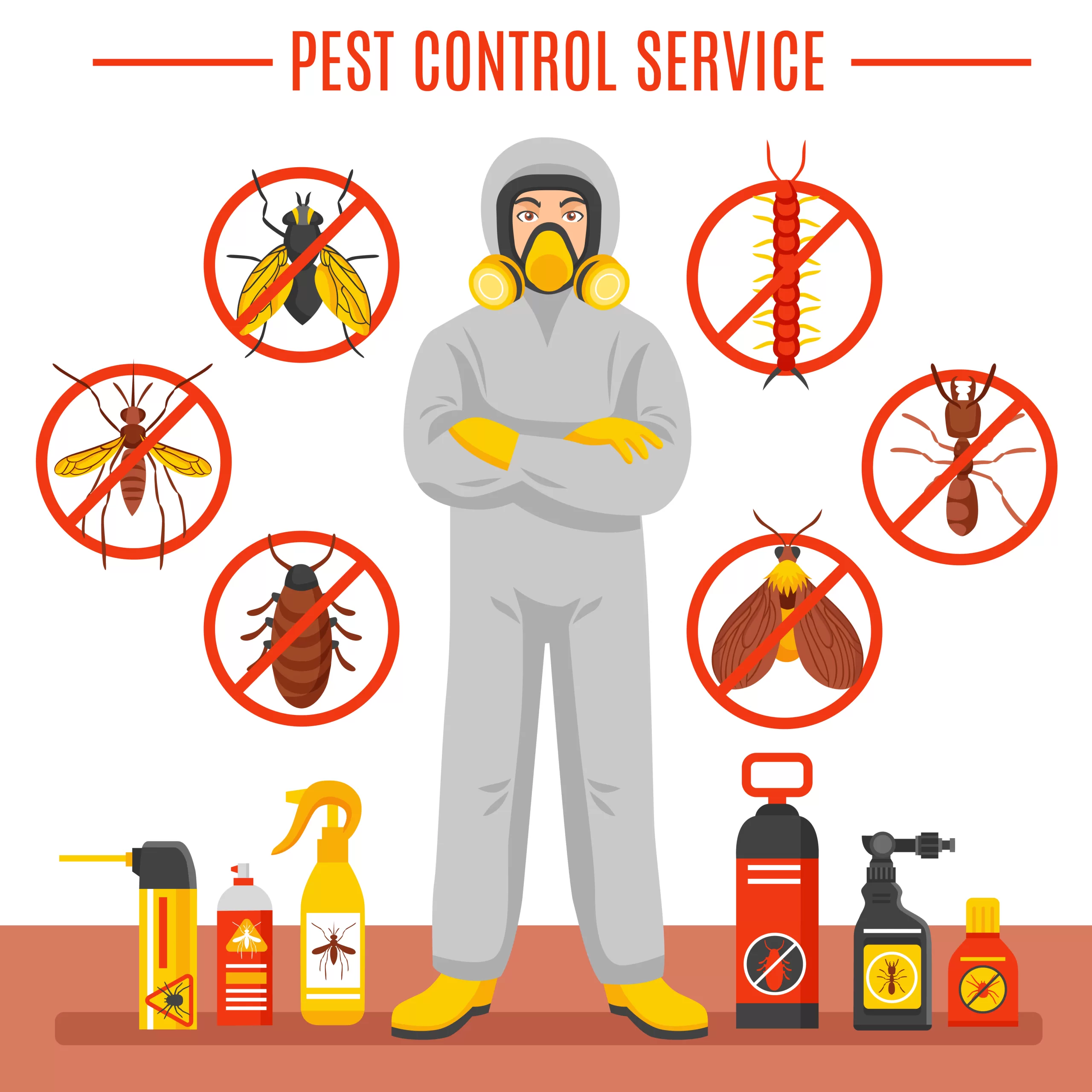
• Use of Personal Protective Equipment (PPE)
-
Wear gloves, masks, and protective clothing when handling chemicals
-
Ensure all safety gear is properly maintained
• Safe Handling of Chemicals
-
Store, transport, and dispose of chemicals responsibly
-
Avoid contamination of food, water, and living areas
• Risk Assessment Skills
-
Evaluate potential hazards before starting work
-
Protect both the technician and the client during treatment
Legal and Regulatory Knowledge
• Understanding Industry Regulations
-
Follow national and local laws regarding pest control practices
-
Ensure compliance with environmental and safety standards
• Documentation and Reporting
-
Maintain accurate records of treatments and inspections
-
Provide clear reports to clients when required
• Licensing and Certification
-
Obtain necessary qualifications and keep them up to date
-
Continuous training ensures compliance and professionalism
Inspection and Problem-Solving Skills
• Conduct Thorough Inspections
-
Identify entry points, nesting areas, and signs of activity
-
Use tools such as cameras or monitoring devices
• Diagnose the Problem Accurately
-
Different pests require different treatment methods
-
Accurate diagnosis leads to effective solutions
• Provide Long-Term Solutions
-
Recommend preventive measures such as sealing gaps or improving hygiene
-
Focus on eliminating the cause, not just the symptoms
Communication and Customer Service
• Explain Findings Clearly
-
Help clients understand the issue and the proposed solution
-
Use simple, clear language to build trust
• Provide Advice and Guidance
-
Offer tips to prevent future infestations
-
Educate clients on maintaining a pest-free environment
• Maintain Professionalism
-
Be punctual, respectful, and reliable
-
Positive interactions lead to repeat business and referrals
Keeping Up with Modern Developments
• Use of Technology
-
Digital reporting tools and monitoring systems improve efficiency
-
Smart traps and sensors provide real-time data
• Eco-Friendly Practices
-
Increasing demand for sustainable pest control solutions
-
Reduce chemical use and focus on environmentally safe methods
• Continuous Learning
-
Attend training courses and industry workshops
-
Stay updated with new techniques and regulations
 Add a new comment