

Roofing in London is a year-round profession, but each season brings different challenges. Weather conditions, daylight hours, and material performance all affect how roofers plan and complete their work.
To stay productive and safe, roofers need to adjust their approach throughout the year. Here’s how roofing work changes across all four seasons in the UK.
Spring: Repair and Preparation Season
Spring is one of the busiest and most important seasons for roofers in London.
After winter damage, many properties require inspection and repair.
Common spring tasks include:
- Fixing leaks caused by winter storms
- Replacing broken or slipped tiles
- Cleaning gutters and drainage systems
- Inspecting roofs for hidden damage
Tip:
Spring is the best time to schedule preventive maintenance before summer heat arrives.
Summer: Peak Construction and Installation Season
Summer provides the most stable weather conditions, making it ideal for larger roofing projects.
Roofers typically focus on:
- New roof installations
- Flat roof replacements
- Major repair work
- Insulation upgrades
Challenges in Summer:
- Heat exposure on rooftops
- Long working hours in direct sunlight
- High demand for jobs
Tip:
Stay hydrated, take regular breaks, and schedule physically demanding work early in the day.
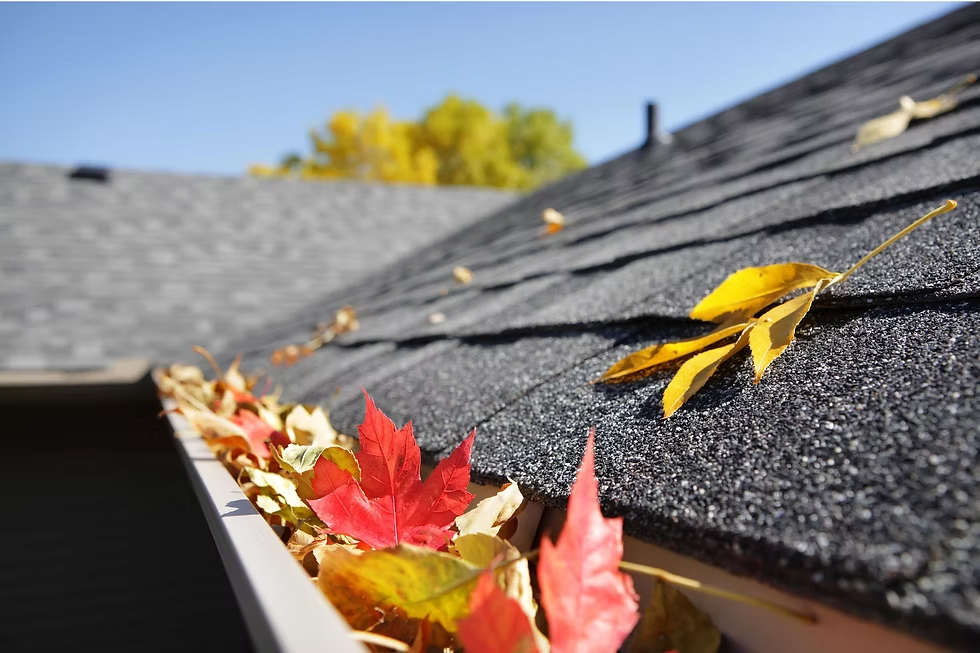
Autumn: Maintenance and Weather Preparation
Autumn is a critical season for preparing roofs for winter.
Leaves, wind, and rain begin to increase, making maintenance essential.
Key autumn tasks include:
- Clearing gutters and downpipes
- Checking for loose tiles or slates
- Waterproofing vulnerable areas
- Inspecting flashing and seals
Tip:
Autumn is the best time for preventative maintenance to avoid costly winter emergencies.
Winter: Emergency and Repair Season
Winter is the most challenging season for roofers in London due to harsh weather conditions.
Common winter jobs include:
- Emergency leak repairs
- Storm damage restoration
- Tile replacement after wind damage
- Temporary roof coverings
Challenges in Winter:
- Slippery surfaces
- Short daylight hours
- Severe weather conditions
Tip:
Safety should always come first, avoid working during storms or icy conditions when possible.
Conclusion:
Roofing in London requires flexibility and strong planning across all four seasons. Each season brings unique challenges and opportunities, from spring repairs to winter emergencies. Roofers who adapt their working methods, prioritise safety, and plan ahead can stay productive all year round.
 Add a new comment