

Technology continues to reshape industries around the world, and the trade sector is no exception. While many tradespeople already use mobile apps, digital invoicing, and online booking systems, the next major innovation could be Augmented Reality (AR).
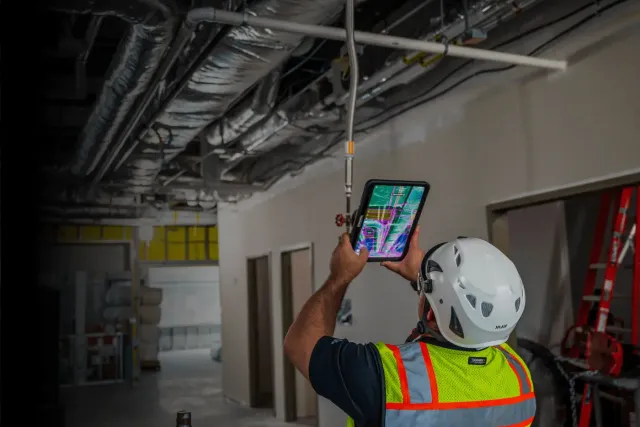
AR overlays digital information onto the real world through smartphones, tablets, or smart glasses. For plumbers, electricians, roofers, builders, and other tradespeople, this technology could significantly improve efficiency, accuracy, and customer experience.
Here’s how AR could change the future of the trade industry.
What Is Augmented Reality?
Unlike Virtual Reality (VR), which creates a completely digital environment, AR enhances the real world by displaying digital information over physical objects.
Examples include:
- Digital measurements displayed on-site
- Interactive installation guides
- Real-time project visualisations
- Remote expert support
As AR technology becomes more affordable, its use in the trade industry is expected to grow.
Better Project Visualisation for Customers
One challenge tradespeople often face is helping customers understand what a completed project will look like.
With AR, customers could:
- View a new roof before installation
- See how lighting fixtures would appear in a room
- Visualise kitchen or bathroom upgrades
- Compare different materials and finishes
This could improve decision-making and increase customer confidence before work begins.
Improved Training and Skills Development
AR has the potential to transform how new tradespeople learn their profession.
Training applications could provide:
- Step-by-step installation instructions
- Interactive safety demonstrations
- Real-time guidance during practical tasks
- Virtual simulations of complex repairs
This may help apprentices gain experience more quickly while reducing mistakes.
Remote Expert Assistance
AR could allow experienced specialists to support field workers remotely.
For example:
- A junior engineer could stream live footage to a senior technician
- Experts could highlight components on-screen
- Problems could be diagnosed faster without additional site visits
This could improve efficiency and reduce travel costs for businesses.
Greater Accuracy on Site
Measurement errors can lead to wasted materials, delays, and additional costs.
AR tools may help tradespeople by:
- Displaying precise measurements instantly
- Identifying hidden pipes or cables
- Overlaying installation plans directly onto surfaces
- Reducing human error during projects
More accurate work can lead to higher customer satisfaction and lower operating costs.
Increased Efficiency and Reduced Waste
AR technology could contribute to more sustainable working practices by:
- Reducing unnecessary site visits
- Improving project planning
- Minimising material waste
- Helping teams complete jobs faster
For trade businesses looking to improve efficiency, AR may become an important tool in the coming years.
Combining AR with Modern Trade Platforms
As technology advances, AR could integrate with digital platforms used by tradespeople every day.
Platforms like Tradze Rapid Response already help professionals:
- Receive nearby job requests
- Connect with customers quickly
- Manage appointments efficiently
In the future, AR tools could further enhance these services by providing on-site guidance, project visualisation, and remote technical support.
The Future of AR in the Trade Industry
Although AR adoption is still developing, many experts believe it will become increasingly common across construction and trade sectors.
Potential future applications include:
- AR smart glasses for hands-free instructions
- Live safety alerts on-site
- Automated project measurements
- Real-time collaboration between teams
Businesses that embrace emerging technologies early may gain a competitive advantage as the industry evolves.
Conclusion:
Augmented Reality has the potential to revolutionise the trade industry by improving training, increasing efficiency, reducing errors, and enhancing customer experiences. While widespread adoption may still be a few years away, AR is rapidly moving from a futuristic concept to a practical business tool.
Tradespeople who stay informed about technological developments and embrace innovation will be well-positioned to thrive in the future of the UK trade industry.
 Add a new comment