

Electricians work in a range of environments, from domestic homes to commercial and industrial sites. To complete jobs safely and efficiently, having the right tools is just as important as skill and experience. While advanced equipment can be helpful, there are certain basic tools that every electrician should carry on every job.
These tools not only make work easier but also ensure compliance with safety standards and improve accuracy in installations and repairs. Below are five essential tools used daily by electricians.
1. Insulated Screwdrivers
Screwdrivers are fundamental for installing switches, outlets, and panels.
• Insulated handles protect against electric shocks
• Available in various sizes to fit different screws and applications
• Durable construction ensures long-lasting performance
Using high-quality insulated screwdrivers reduces the risk of accidents and allows electricians to work confidently on live or potentially live circuits.
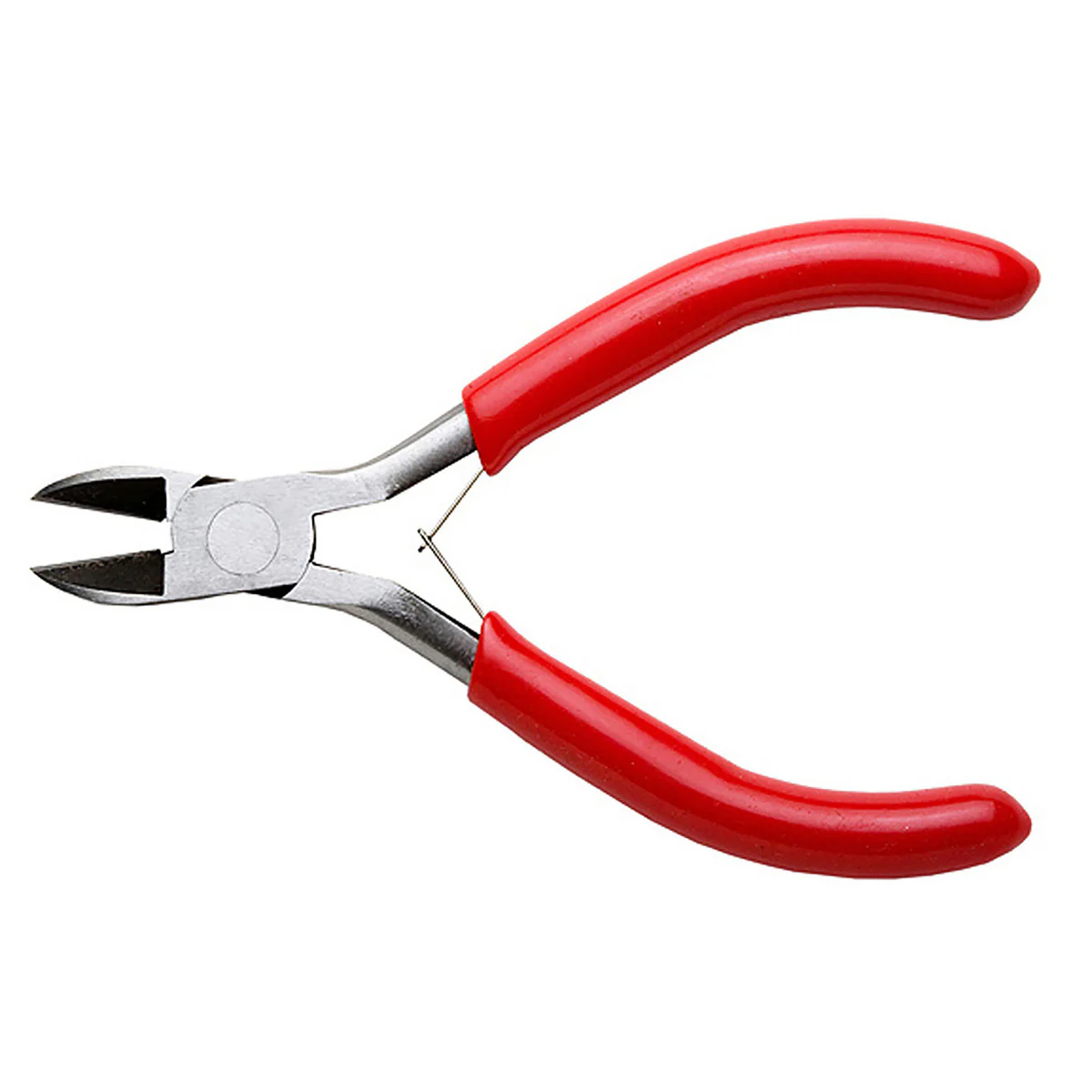
2. Pliers and Wire Cutters
Pliers are versatile tools used for gripping, bending, and cutting wires.
• Needle-nose pliers allow precision work in tight spaces
• Side-cutting pliers are ideal for trimming cables and stripping insulation
• Insulated pliers provide extra safety when handling electrical components
Well-maintained pliers and wire cutters improve efficiency and reduce the risk of damaging wires or connectors.
3. Voltage Tester / Multimeter
Testing for live circuits is crucial before any electrical work.
• Voltage testers quickly identify live wires, preventing electric shocks
• Multimeters measure voltage, current, and resistance for diagnostics
• Portable and easy to use, providing accurate readings on-site
Regular testing ensures safety and helps identify faults or potential issues in electrical systems.
4. Tape Measure and Cable Stripper
Precise measurements are essential for installations and wiring layout.
• Tape measures help ensure cables and conduits are the correct length
• Cable strippers remove insulation cleanly without damaging the wire
• Using these tools saves time and ensures neat, professional results
Correctly measured and stripped cables reduce installation errors and make maintenance easier.
5. Electrical Tester / Continuity Tester
Checking circuit continuity and identifying breaks is key to safe electrical work.
• Continuity testers confirm that circuits are complete
• Some models include audible alarms or LED indicators for convenience
• Essential for troubleshooting faulty circuits and verifying repairs
This tool is especially useful for both new installations and repair work, helping electricians quickly locate issues.
Additional Tips for Using Tools Safely
• Always inspect tools for damage before use
Damaged insulation or worn-out parts can increase the risk of accidents
• Use tools designed specifically for electrical work
Non-insulated tools should never be used on live circuits
• Keep tools organised and accessible
A well-organised toolkit saves time and ensures you always have the right tool for the job
 Add a new comment