

Introduction
One of the most common decisions tradespeople face when selecting equipment is whether to use cordless or corded tools. Both options have their advantages and limitations, and the right choice often depends on the type of work, environment, and personal preference.
Advantages of Cordless Tools
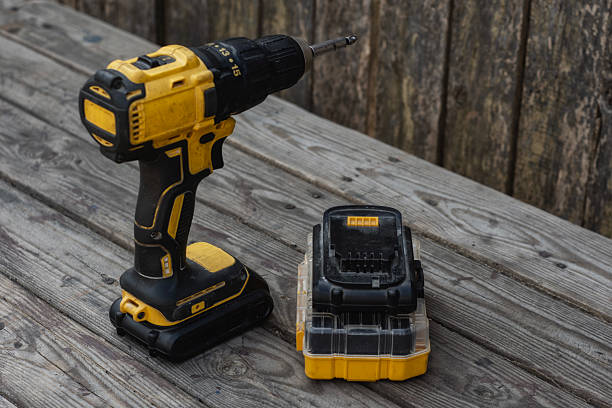
Cordless tools have become increasingly popular due to their portability and convenience. Without the need for a power cable, tradespeople can move freely around the work site, making them ideal for jobs in tight or remote spaces. Modern battery technology also provides longer run times and faster charging.
Limitations of Cordless Tools
Despite their benefits, cordless tools rely on battery life. Running out of charge during a job can cause delays if spare batteries are not available. Additionally, cordless tools can sometimes be more expensive due to the cost of batteries and chargers.
Advantages of Corded Tools
Corded tools offer consistent power without the need for recharging. They are often preferred for heavy-duty tasks that require continuous operation, such as cutting, drilling, or grinding. Corded tools are also generally more affordable, as they do not require batteries.
Limitations of Corded Tools
The main drawback of corded tools is limited mobility. Being connected to a power source can restrict movement and may require extension leads. This can be inconvenient, especially on large sites or in areas without easy access to electricity.
Performance Comparison
Corded tools typically provide steady, reliable power, making them suitable for demanding tasks. However, modern cordless tools have improved significantly and can now match the performance of corded options for many everyday jobs.
Cost Considerations
While corded tools are usually cheaper upfront, cordless tools may require additional investment in batteries and chargers. However, having a shared battery system across multiple tools can make cordless options more cost-effective over time.
Which Should You Choose?
The best choice depends on your needs. For flexibility and ease of movement, cordless tools are ideal. For continuous, high-power tasks, corded tools may be more suitable. Many professionals choose a combination of both to cover different types of work.
Final Thoughts
Both cordless and corded tools have a place in a tradesperson’s toolkit. Understanding their strengths and limitations can help you make the right decision and improve your overall efficiency on site.
 Add a new comment