

For metal fabricators, structural engineers, and on-site repair specialists, a welding plant is more than just equipment — it’s the backbone of the job. Whether working on gates, railings, structural steel, or heavy-duty repairs, choosing the right welding plant directly impacts safety, efficiency, and quality.
Here’s what professional tradespeople in London should consider before investing.
1. Types of Welding Plants
Different projects require different welding processes:
-
MIG Welders – Ideal for fast, clean welds and commonly used for general fabrication work.
-
TIG Welders – Provide high precision and cleaner finishes, suitable for stainless steel and aluminium.
-
Stick (ARC) Welders – Known for durability and effectiveness in outdoor or heavy-duty environments.
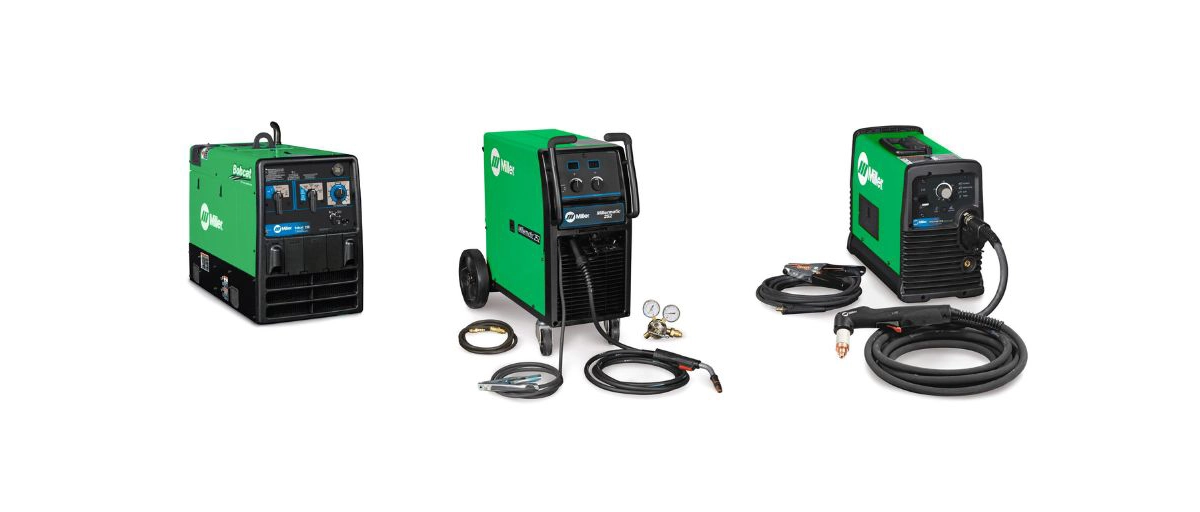
Brands like Miller Electric, Lincoln Electric, and ESAB are globally recognised for producing reliable welding plants trusted by professionals.
2. Power Output and Performance
Power capacity (measured in amps) determines the thickness of metal you can weld effectively.
-
Light fabrication: 130–180 amps
-
Medium structural work: 180–250 amps
-
Heavy industrial work: 250+ amps
For London-based mobile tradespeople, inverter welding plants are popular because they are lightweight, energy-efficient, and easy to transport between job sites.
3. Portability for On-Site Work
In a fast-paced city like London, portability matters. Compact inverter welding plants are ideal for tradespeople working across multiple locations.
Features to look for:
-
Lightweight frame
-
Shoulder strap or wheels
-
Generator compatibility
-
Stable performance on variable power supply
This flexibility is essential for rapid response jobs and emergency metal repairs.
4. Safety Features
Safety is critical in welding operations. A quality welding plant should include:
-
Thermal overload protection
-
Voltage fluctuation control
-
Stable arc technology
-
Proper grounding support
Combined with personal protective equipment (PPE), these features reduce risk and ensure compliance with UK health and safety standards.
5. Durability and Build Quality
Investing in a cheap welding plant can lead to inconsistent welds and costly downtime. Professional-grade equipment may cost more initially, but it provides:
-
Longer lifespan
-
Consistent arc stability
-
Lower maintenance costs
-
Better overall performance
For tradespeople building their reputation, consistent quality is non-negotiable.
Final Verdict
A welding plant is one of the most important investments for any metalworking professional. Choosing the right model depends on job type, portability needs, power requirements, and safety standards.
For tradespeople using TRADZE Rapid Response in London, having reliable, professional-grade equipment not only ensures quality work but also builds customer trust and repeat business.
Strong tools build strong reputations — and in the trades industry, reliability is everything.
 Add a new comment